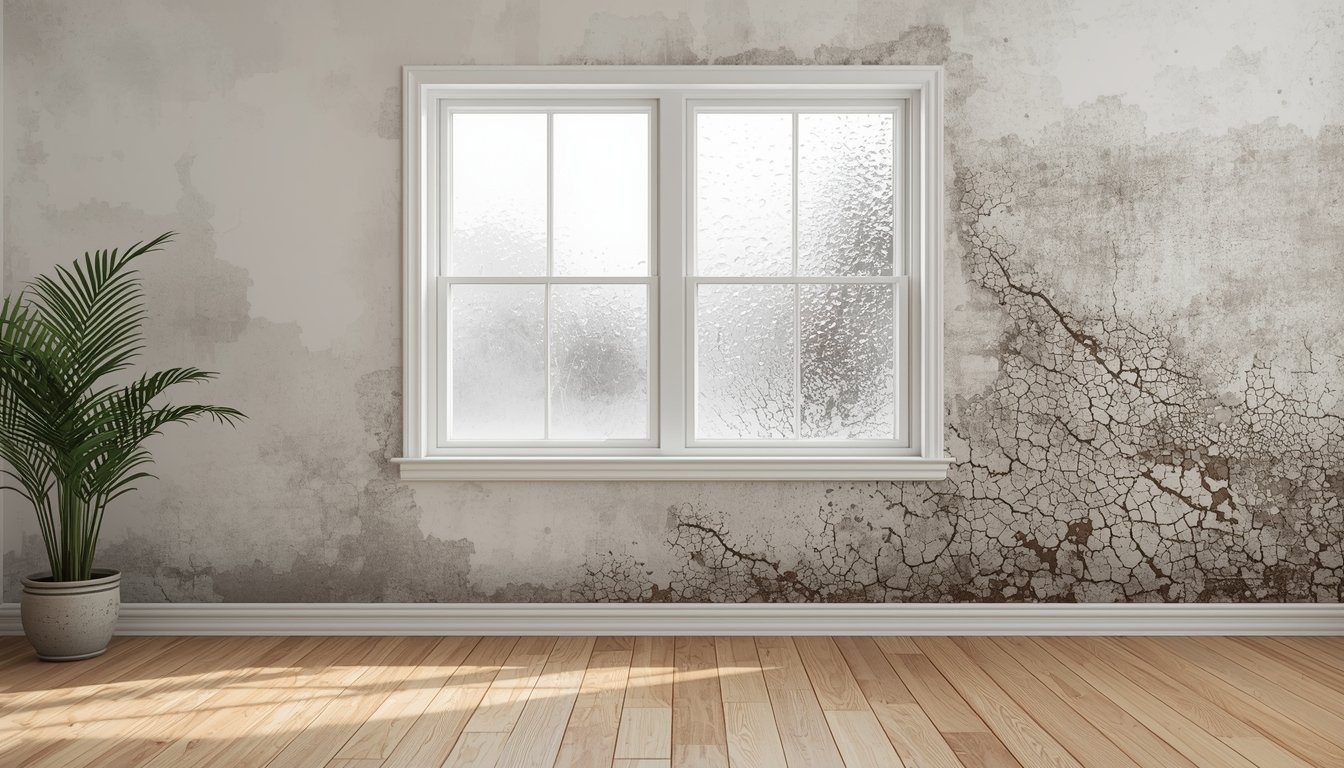
You should place a humidity meter at breathing height in the area you want to measure, away from windows, vents, and direct heat sources. Correct placement is essential because even small positioning mistakes can lead to inaccurate readings and misleading results.
Best Placement for Accurate Humidity Readings
To get a reliable reading, the humidity meter needs to reflect the actual air conditions in the room, not a localised hotspot. The ideal position is at about chest height, where the air you breathe is most representative of overall indoor conditions.
Avoid placing the meter too close to walls, floors, or ceilings, as these surfaces can hold different temperatures and affect readings. Instead, position it on a shelf, table, or stand where air can circulate freely around it.
For best accuracy:
- Place the meter at least a few feet from windows
- Keep it away from heaters, air conditioners, or vents
- Avoid direct sunlight, which can heat the device
After placing the meter, allow it to sit undisturbed for 10–15 minutes. This gives the sensor time to stabilise and adjust to the surrounding air. Moving it too quickly between locations can result in inconsistent readings.
If you’re unsure whether your readings are accurate, it’s often a placement issue rather than a device problem. Small adjustments in position can make a noticeable difference.
Where to Place a Humidity Meter in Different Rooms
Different areas of your home can have very different humidity levels, so placement should match the purpose of your measurement. Instead of relying on one central location, it’s often more useful to check multiple rooms.
In living areas and bedrooms, place the meter in an open space away from direct airflow. This helps you understand general comfort levels where you spend most of your time.
In moisture-prone areas, placement becomes more targeted:
- Bathrooms: place it outside direct steam but within the room
- Kitchens: keep it away from cooking appliances but nearby
- Basements: position it in the centre of the space, not against walls
- Crawl spaces: place it in a stable, representative location
Each room may show different readings depending on ventilation, usage, and external conditions. Checking multiple locations helps you identify where humidity problems are most likely to occur.
If you’re just starting out, this guide on how to use a humidity meter in your home explains how to move and use the device effectively across different areas.
Common Placement Mistakes to Avoid
Incorrect placement is one of the most common reasons for inaccurate humidity readings. Even a high-quality meter won’t give useful data if it’s positioned poorly.
One common mistake is placing the meter too close to a window. Windows can create localised temperature changes, especially in direct sunlight or cold weather, which can distort readings.
Other mistakes include:
- Placing the meter near vents or airflow sources
- Leaving it on the floor where air is cooler
- Moving it too frequently without allowing stabilisation time
Another issue is relying on a single reading from one location. Humidity can vary significantly between rooms, so checking only one spot may not give you the full picture.
By avoiding these common mistakes and placing your humidity meter correctly, you can get accurate readings and make better decisions about maintaining a comfortable and balanced indoor environment.