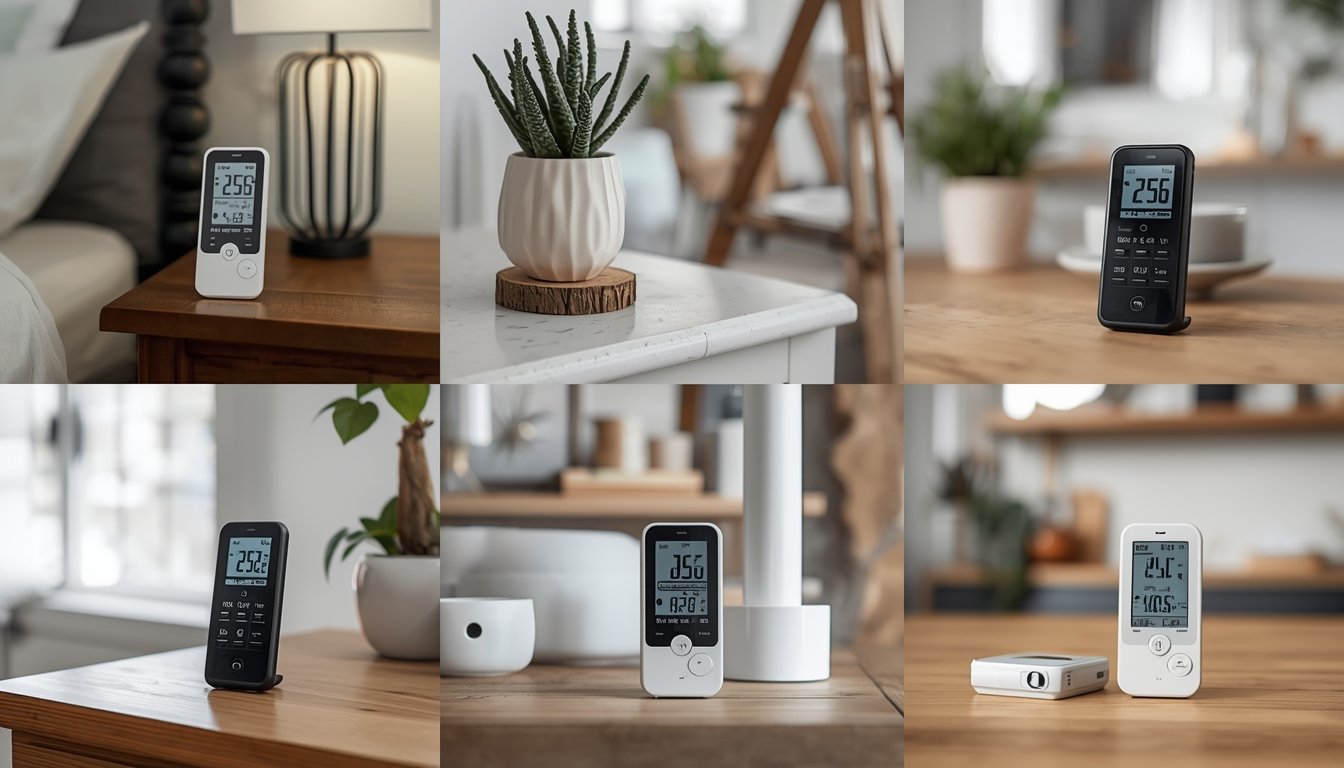
To check humidity in a basement, place a humidity meter in a central location, allow it to stabilise, and read the relative humidity level. Basements often trap moisture, so accurate placement and consistent monitoring are key to identifying and preventing damp conditions.
How to Measure Basement Humidity Accurately
Basements can have very different conditions compared to the rest of your home, so it’s important to measure humidity properly. Start by placing your humidity meter in a central area of the basement, not directly against walls or on the floor.
Because basements are often cooler and less ventilated, placing the meter too close to surfaces can give misleading readings. Instead, position it at about chest height where air can circulate freely around the device.
For accurate results:
- Keep the meter away from walls, pipes, and corners
- Avoid placing it near windows or vents
- Leave it in place for at least 10–15 minutes before checking
If your basement is large or divided into sections, it’s helpful to move the meter between different areas. Moisture levels can vary significantly depending on airflow and how the space is used.
If you’re unsure how to use your device effectively, this guide on how to use a humidity meter in your home explains how to take consistent readings and avoid common mistakes.
Signs Your Basement Humidity Is Too High
Checking humidity levels is important, but it’s also useful to recognise the signs that moisture is already building up. Basements are particularly prone to high humidity, and problems can develop quickly if conditions aren’t monitored.
One of the most common signs is a damp or musty smell. This often indicates that moisture is present even if you can’t see it. Over time, this can lead to mold growth and air quality issues.
Other signs to watch for include:
- Condensation on walls, pipes, or windows
- Mold or mildew appearing on surfaces
- Damp or cold-feeling air
- Water stains or dark patches on walls or floors
These issues are often more noticeable after heavy rain or during humid weather. However, they can also occur in dry conditions if the basement lacks proper ventilation.
Recognising these signs early allows you to take action before moisture causes long-term damage.
How to Manage and Monitor Basement Humidity
Once you’ve measured humidity in your basement, the next step is managing it effectively. Ideally, basement humidity should stay within the same 30% to 50% range as the rest of your home, although basements often require extra attention.
If readings are consistently high, you’ll need to reduce moisture levels and improve airflow. This may involve both short-term fixes and ongoing monitoring.
To control basement humidity:
- Use a dehumidifier to remove excess moisture
- Improve ventilation if possible
- Fix any leaks or water entry points
- Avoid storing damp items in enclosed areas
It’s also important to check humidity regularly rather than relying on a single reading. Basements can change quickly depending on weather conditions and how the space is used.
By combining accurate measurement with consistent monitoring, you can keep your basement dry, prevent mold growth, and maintain a healthier indoor environment.