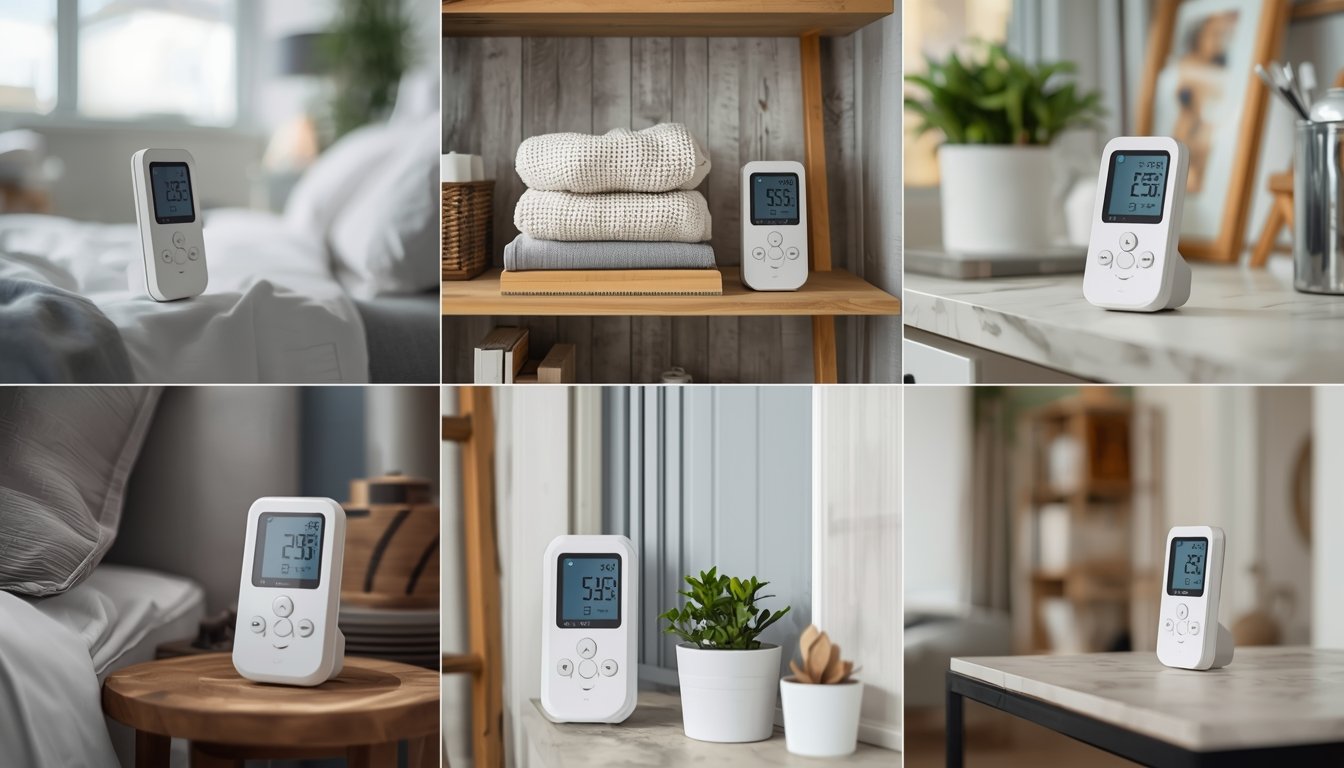
Yes, you should use a humidity meter in winter because indoor air often becomes too dry during colder months. Heating systems and cold outdoor air can push humidity below comfortable levels, leading to dryness, discomfort, and potential damage to your home.
Why Humidity Drops in Winter
In winter, humidity levels tend to fall because cold air naturally holds less moisture than warm air. When this cold air enters your home and is heated, its relative humidity drops even further, creating a dry indoor environment.
Heating systems make this effect stronger. Whether you use central heating, space heaters, or fireplaces, these systems warm the air but do not add moisture. As a result, the air becomes drier over time, especially if the heating runs continuously.
Other contributing factors include:
- Limited ventilation during colder weather
- Closed windows reducing natural airflow
- Cold outdoor air entering through gaps or ventilation
These conditions can cause indoor humidity to drop below 30%, which is below the recommended comfort range. Without monitoring, it’s easy for dryness to go unnoticed until symptoms appear.
Using a humidity meter allows you to track these changes and confirm whether your indoor air has become too dry. This helps you take action before discomfort or damage develops.
Problems Caused by Low Winter Humidity
Low humidity during winter can affect both your comfort and your home. The effects often build gradually, making them easy to overlook until they become more noticeable.
One of the most common issues is physical discomfort. Dry air pulls moisture from your skin and respiratory system, which can lead to irritation and poor sleep.
Common problems include:
- Dry skin, chapped lips, and irritated eyes
- Sore throat or dry nasal passages
- Increased static electricity indoors
Your home can also be affected. Wood materials such as flooring, furniture, and trim can shrink or crack when humidity levels remain low for extended periods.
In addition, dry air can make rooms feel colder than they actually are, which may lead you to increase heating unnecessarily. This creates a cycle where heating reduces humidity further, making the problem worse.
By monitoring humidity levels, you can identify when these conditions are developing and take steps to correct them.
How to Use a Humidity Meter Effectively in Winter
Using a humidity meter in winter helps you maintain the ideal indoor range of 30% to 50%. The key is to check levels regularly and respond to changes before they become problematic.
Place the meter in areas where you spend the most time, such as living rooms and bedrooms. These locations give you a clear picture of comfort levels and how the air is affecting you day to day.
To manage winter humidity effectively:
- Check readings at different times of day
- Use a humidifier if levels drop below 30%
- Adjust heating to avoid excessive dryness
- Allow some natural moisture from daily activities to circulate
It’s also important to avoid overcorrecting. Adding too much moisture can lead to condensation and other issues, so aim to stay within the recommended range.
If you’re unsure how to take accurate readings or move the device between rooms, this guide on how to use a humidity meter in your home explains how to get consistent results.
By using a humidity meter throughout winter, you can maintain a more comfortable indoor environment and prevent the common problems caused by dry air.