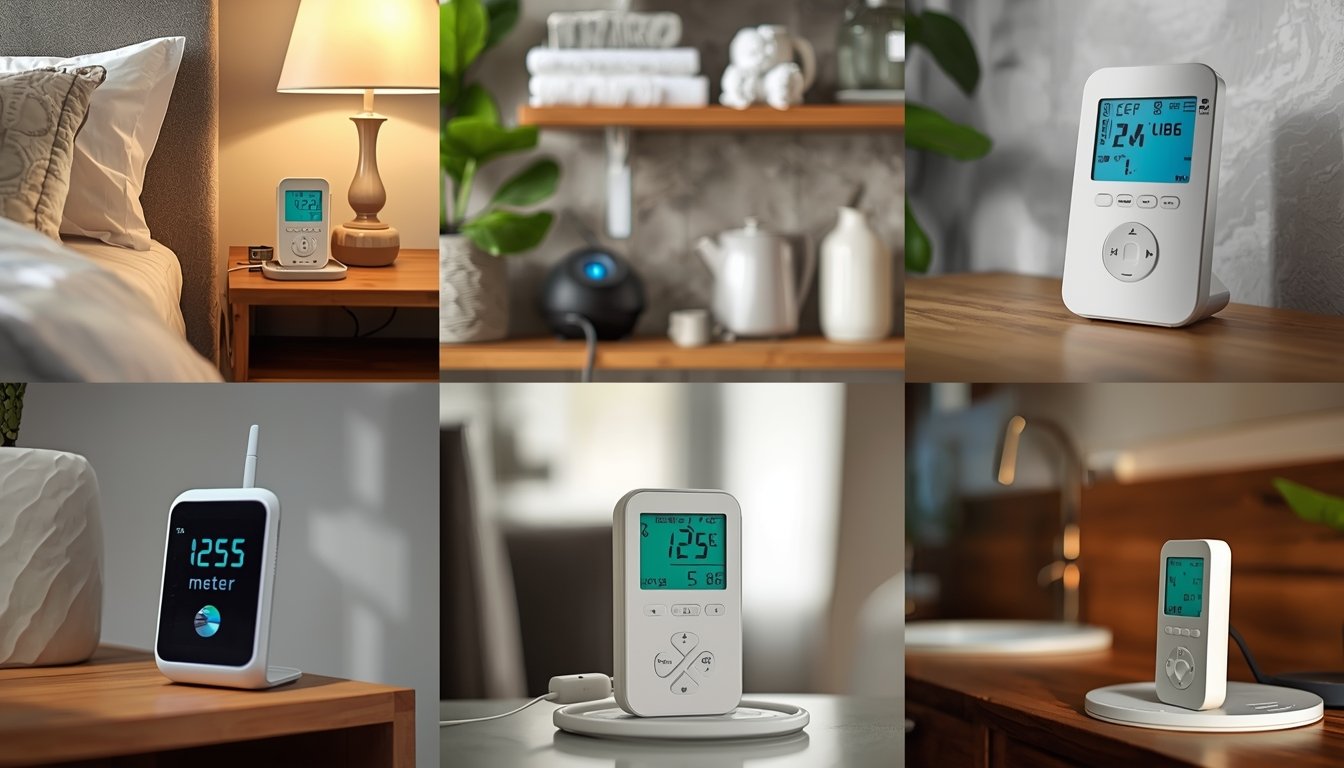
Yes, you should use a humidity meter in summer because indoor humidity often rises due to warm, moisture-rich air. Without monitoring, levels can exceed the recommended range, leading to discomfort, condensation, and increased risk of mold growth.
Why Humidity Increases in Summer
In summer, outdoor air naturally holds more moisture because warm air can carry higher levels of water vapour. When this air enters your home through open windows, doors, or ventilation, it raises indoor humidity levels.
Even if your home feels comfortable, humidity can still be building up in the background. Air conditioning can help reduce moisture, but it doesn’t always keep levels within the ideal range, especially in humid climates or poorly ventilated homes.
Other common contributors include:
- Warm outdoor air entering the home throughout the day
- Limited ventilation trapping moisture indoors
- Daily activities like cooking and showering adding extra humidity
These factors can cause humidity to climb above 50%, which is when problems begin to develop. Because the change can be gradual, many people don’t realise humidity is too high until symptoms appear.
Using a humidity meter allows you to track these increases and confirm whether your indoor environment is staying within a healthy range.
Problems Caused by High Summer Humidity
High humidity in summer can affect both comfort and your home’s condition. One of the most noticeable effects is how the air feels—humid air can feel heavy and warmer than it actually is, making rooms uncomfortable even at moderate temperatures.
This can lead to overuse of air conditioning as you try to cool the space, which increases energy use without addressing the underlying humidity issue.
Common problems caused by high humidity include:
- Condensation forming on windows and surfaces
- Mold and mildew growth in damp areas
- Musty smells and reduced indoor air quality
- Increased allergy or respiratory symptoms
Humidity can also affect materials in your home. Prolonged exposure to high moisture levels can lead to swelling in wood, damage to finishes, and deterioration of certain surfaces.
Because these issues can develop over time, monitoring humidity helps you catch problems early and prevent more serious damage.
How to Use a Humidity Meter Effectively in Summer
Using a humidity meter in summer helps you keep levels within the recommended 30% to 50% range. The key is to check regularly and respond to rising humidity before it becomes a problem.
Place the meter in commonly used areas like living rooms and bedrooms, but also check moisture-prone spaces such as bathrooms and basements. These areas often show higher readings and may need more attention.
To manage humidity effectively:
- Use a dehumidifier if levels consistently exceed 50%
- Run exhaust fans during cooking and showering
- Limit the amount of humid outdoor air entering the home
- Use air conditioning to help control moisture levels
It’s also helpful to monitor changes throughout the day, as humidity can rise during warmer periods and drop slightly at night. Tracking these patterns gives you a better understanding of how your home responds to summer conditions.
If you’re unsure how to take accurate readings or move the device between rooms, this guide on how to use a humidity meter in your home explains how to get consistent results.
By using a humidity meter during summer, you can maintain a more comfortable indoor environment and prevent the common issues caused by excess moisture.