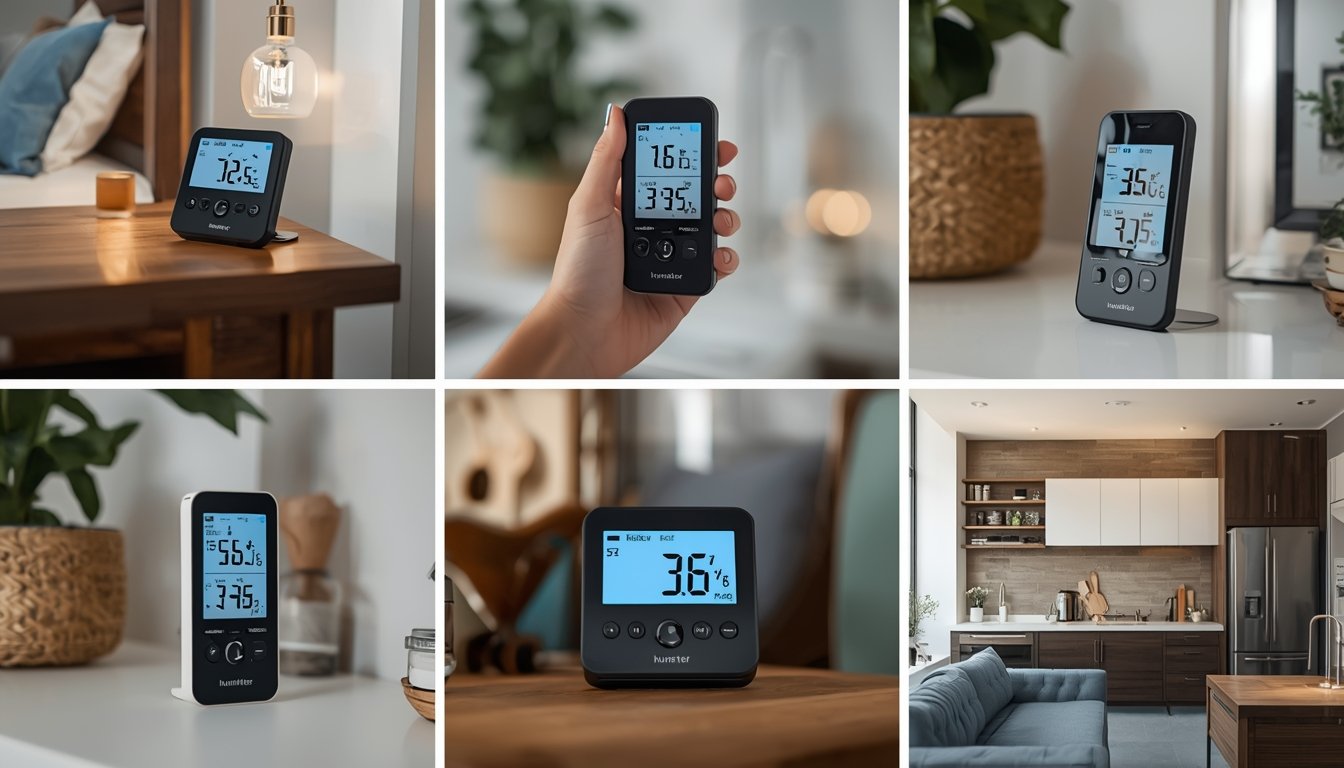
Indoor humidity changes due to a combination of outdoor weather, indoor activities, airflow, and how your home is built. Levels can rise or fall throughout the day depending on moisture sources and how well that moisture is removed or balanced.
How Daily Activities Affect Indoor Humidity
Everyday activities inside your home are one of the biggest causes of humidity changes. Even small actions can release moisture into the air, and when these activities happen repeatedly, humidity levels can rise quickly.
Cooking, showering, and drying clothes indoors all produce water vapour. Without proper ventilation, this moisture stays in the air and increases humidity levels, especially in enclosed spaces.
Common household activities that raise humidity include:
- Boiling water or cooking without ventilation
- Hot showers creating steam in bathrooms
- Drying laundry indoors without airflow
On the other hand, some activities can lower humidity. Running heating systems, especially in winter, dries out the air by reducing moisture levels. Air conditioning can also remove moisture, which is why homes often feel drier when it’s running.
These changes can happen quickly and vary from room to room. That’s why it’s important to monitor humidity regularly. This guide on how to use a humidity meter in your home shows how to track these fluctuations and understand how your daily routine affects indoor conditions.
The Impact of Weather and Seasons
Outdoor conditions play a major role in indoor humidity, even if your home feels sealed. Air from outside still enters through ventilation, doors, and small gaps, bringing moisture changes with it.
In summer, warm air holds more moisture, so indoor humidity tends to rise. This is especially noticeable in humid climates or homes without strong ventilation. Without airflow, moisture builds up and can quickly push humidity above the ideal range.
In winter, the opposite happens. Cold air holds less moisture, and when it enters your home and is heated, it becomes even drier. This often causes indoor humidity to drop below comfortable levels.
Seasonal changes are influenced by:
- Outdoor temperature and humidity levels
- How often windows and doors are opened
- The use of heating or cooling systems
Because these factors shift throughout the year, humidity levels rarely stay constant. Understanding seasonal patterns helps you anticipate changes and adjust your home environment accordingly.
How Airflow and Home Structure Influence Humidity
The way air moves through your home has a major impact on humidity levels. Poor airflow allows moisture to build up, while good ventilation helps maintain balance.
Homes with limited ventilation often trap moisture, especially in areas like basements, bathrooms, and closets. This can lead to consistently high humidity in certain rooms, even if the rest of the house feels normal.
Structural factors also play a role. Insulation, window quality, and overall design affect how moisture enters and leaves your home. For example, tightly sealed homes may retain moisture more easily, while drafty homes may lose it quickly.
Key factors that influence humidity include:
- Ventilation systems and airflow patterns
- Insulation and how well the home is sealed
- The presence of damp areas like basements or crawl spaces
Understanding how your home handles air and moisture helps explain why humidity may vary between rooms. By identifying these patterns, you can take targeted steps to stabilise conditions and maintain a comfortable indoor environment.