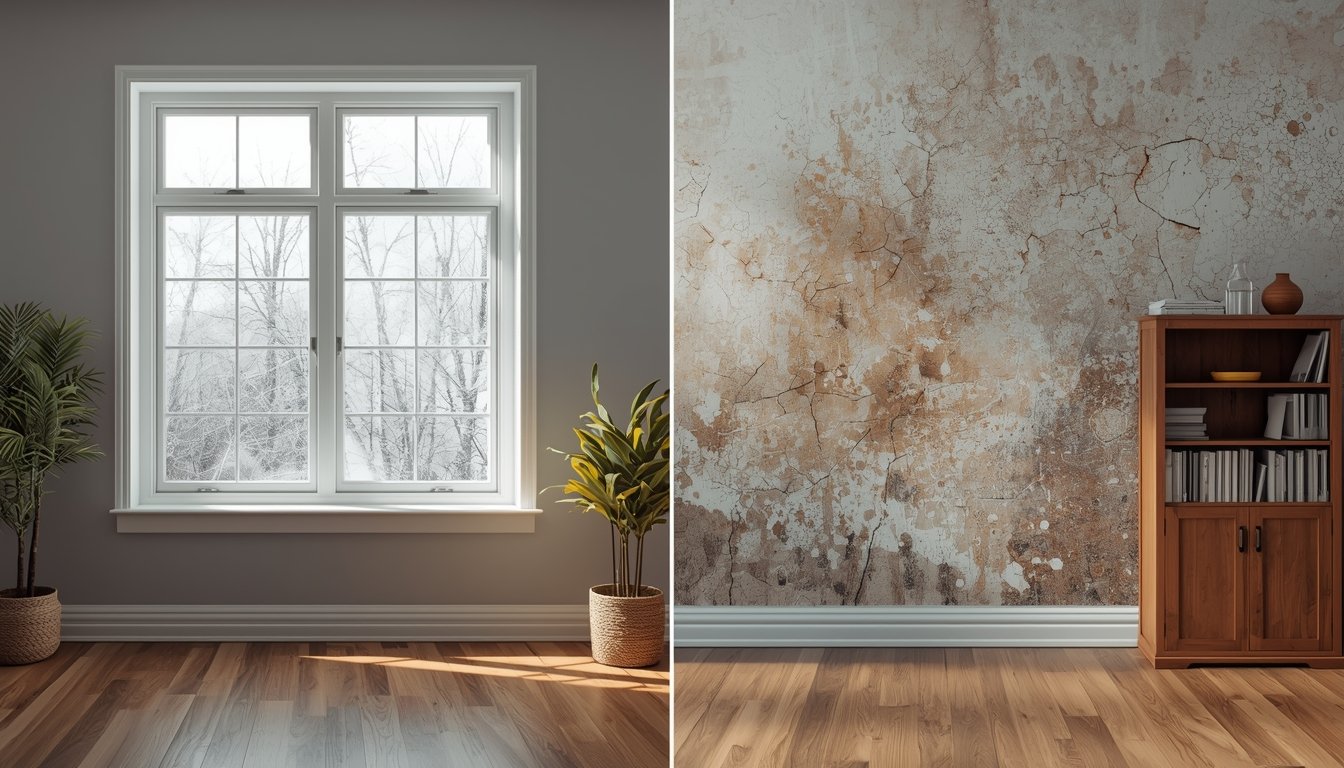
No, you don’t need a humidity meter in every room, but you should measure humidity in key areas where conditions vary or problems are likely. One device can be enough if you move it between rooms, but multiple meters can help you monitor different spaces more consistently.
When One Humidity Meter Is Enough
In many homes, a single humidity meter is enough to understand overall conditions, especially if your layout is open and airflow is consistent. If most rooms feel similar and you’re not dealing with specific moisture issues, you can move one meter between areas to get a general picture.
Start by checking your main living spaces, such as the living room and bedroom. These areas give a good baseline for comfort and daily conditions. Leave the meter in each location for at least 10–15 minutes so it can stabilise before taking a reading.
Using one meter works well if:
- Your home has consistent airflow between rooms
- You are not experiencing specific humidity problems
- You are checking levels periodically, not constantly
However, this approach relies on actively moving the device and remembering to check different areas. If you only measure one room regularly, you may miss humidity issues elsewhere.
If you’re unsure how to use a single meter effectively across multiple spaces, this guide on how to use a humidity meter in your home explains how to take consistent readings and compare results.
When You Should Use Multiple Humidity Meters
In some situations, using more than one humidity meter is more practical and gives a clearer picture of your home. This is especially true when humidity varies between rooms or certain areas are prone to moisture problems.
Rooms like bathrooms, basements, and kitchens often have very different humidity levels compared to living areas. Monitoring these spaces separately helps you catch issues early and take targeted action.
You may benefit from multiple meters if:
- You have persistent moisture problems in specific rooms
- Your home has multiple levels or poor airflow
- You want to track humidity changes in real time
Having a dedicated meter in problem areas means you don’t need to constantly move a single device. It also allows you to monitor conditions continuously, which is useful for spaces like basements where humidity can change quickly.
In larger homes, multiple meters can help you identify patterns, such as one side of the house being more humid than the other. This makes it easier to address the root cause rather than guessing.
How to Decide the Right Setup for Your Home
The right number of humidity meters depends on your home’s size, layout, and whether you’re dealing with specific issues. There’s no need to overcomplicate things if your humidity levels are stable and within the normal range.
A simple approach is to start with one meter and move it between rooms over a few days. This gives you a baseline understanding of how humidity varies throughout your home. If you notice consistent differences between rooms, that’s a sign you may need additional meters.
To decide what works best:
- Start with one meter and test multiple locations
- Identify any rooms with consistently high or low readings
- Add additional meters only where needed
The goal is not to monitor every room constantly, but to ensure you’re not missing problem areas. Once you understand how humidity behaves in your home, maintaining the right levels becomes much easier.
By using the right number of meters for your situation, you can stay informed without unnecessary complexity and keep your indoor environment comfortable and balanced.