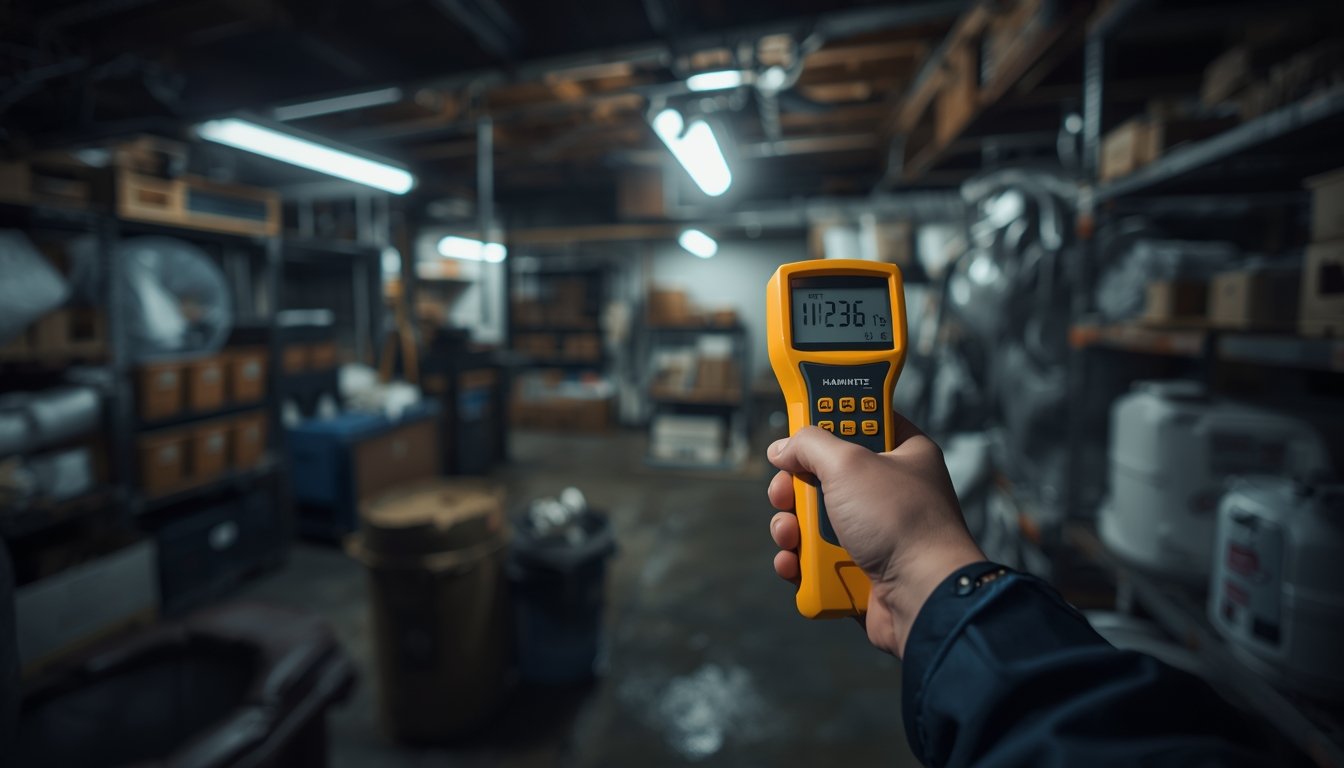
You should check indoor humidity at least once a day in normal conditions, and more frequently when temperatures change, during extreme weather, or if you’re dealing with moisture problems. Regular checks help you catch changes early and keep humidity within the ideal 30% to 50% range.
How Often to Check Humidity in Everyday Conditions
For most homes, checking humidity once a day is enough to stay aware of general conditions. A quick check in the morning or evening gives you a reliable snapshot of your indoor environment and helps you spot gradual changes over time.
If your home tends to stay within a stable range, you don’t need constant monitoring. However, consistency is important. Checking at the same time each day makes it easier to notice trends, such as humidity slowly rising or dropping.
Daily checks are especially useful in:
- Main living areas where comfort matters most
- Bedrooms, where humidity affects sleep quality
- Rooms that are used frequently throughout the day
If you’re using a single device, you can move it between rooms on different days to build a complete picture of your home. This approach works well when conditions are stable and there are no obvious issues.
If you’re unsure how to take consistent readings, this guide on how to use a humidity meter in your home explains how to measure accurately and compare results across different spaces.
When You Should Check Humidity More Frequently
There are times when checking humidity more often is important. Changes in weather, temperature, or daily activities can cause humidity levels to shift quickly, sometimes within hours.
During winter and summer, humidity tends to fluctuate more. Heating systems can dry out the air in winter, while warm, humid weather can increase moisture levels in summer. In these situations, checking humidity two or more times a day can help you stay ahead of changes.
You should also check more frequently if:
- You notice signs of high or low humidity
- You are using a humidifier or dehumidifier
- You have areas prone to moisture, such as basements
After activities like cooking or showering, humidity can spike temporarily. Checking levels shortly after these activities helps you understand how your home responds and whether ventilation is working effectively.
Frequent checks are not about constant monitoring but about responding to conditions that are more likely to change.
How to Use Humidity Checks to Maintain Balance
Checking humidity is only useful if you act on the information. The goal is to keep levels within the 30% to 50% range by making small adjustments based on what you observe.
If readings are consistently outside this range, it’s a sign that something in your home needs attention. Regular checks allow you to respond early rather than waiting for visible problems to develop.
To make humidity monitoring effective:
- Track readings over several days to identify patterns
- Adjust ventilation, heating, or moisture sources as needed
- Focus on problem areas where readings are consistently off
It’s also helpful to compare readings between rooms. Some areas may stay balanced while others do not, and this can guide where you need to make changes.
Over time, checking humidity becomes part of a simple routine. With consistent monitoring and small adjustments, you can maintain a stable and comfortable indoor environment without guesswork.