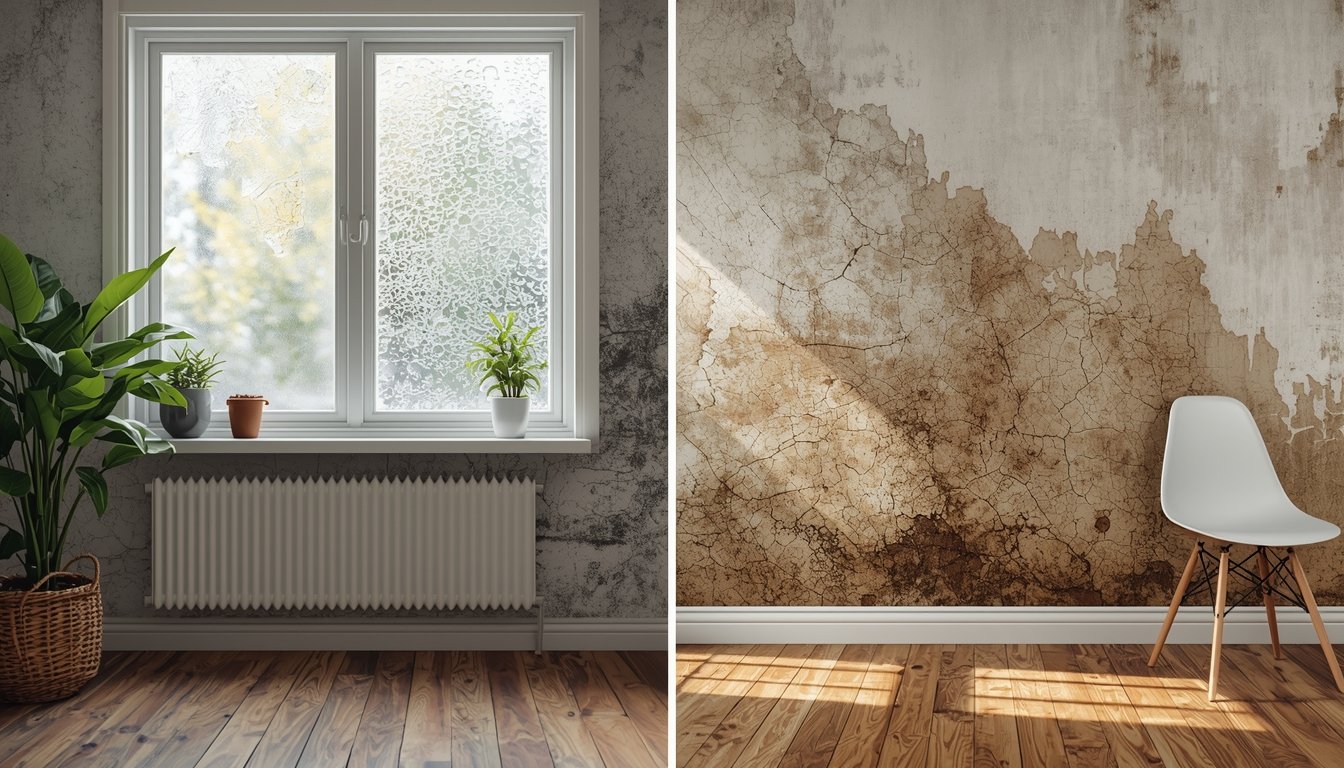
Yes, humidity can directly affect your health at home. When indoor humidity is too high or too low, it can lead to respiratory issues, skin irritation, allergies, and overall discomfort. Keeping humidity within the recommended 30% to 50% range helps maintain a healthier indoor environment.
How High Humidity Affects Your Health
High humidity creates a damp indoor environment that encourages the growth of mold, dust mites, and bacteria. These can quickly impact air quality and trigger health problems, especially for people with allergies or respiratory conditions.
When humidity levels stay above 50%, the air can feel heavy and harder to breathe. This can make existing conditions like asthma worse and increase sensitivity to airborne particles.
Common health effects of high humidity include:
- Increased allergy symptoms from mold and dust mites
- Worsening asthma or breathing difficulties
- Persistent coughing or throat irritation
- Fatigue caused by poor air quality
You may also notice a musty smell, which is often linked to mold growth. Even if mold is not immediately visible, spores can still affect the air you breathe.
If you suspect high humidity is affecting your health, measuring it is the first step. This guide on how to use a humidity meter in your home explains how to check levels accurately and identify problem areas.
How Low Humidity Affects Your Health
Low humidity can be just as uncomfortable as high humidity, especially during colder months. Dry air pulls moisture from your skin and respiratory system, leading to irritation and discomfort.
You may notice symptoms such as dry skin, chapped lips, or irritated eyes. These are often the first signs that humidity levels have dropped too low. Over time, dry air can also affect your throat and nasal passages.
Common effects of low humidity include:
- Dry or itchy skin and eyes
- Irritated throat and nasal passages
- Increased risk of colds or infections
- Disrupted sleep due to dry air discomfort
Low humidity can also make indoor air feel colder than it actually is, leading to increased heating use, which further reduces moisture levels. This cycle can make symptoms worse if not addressed.
These effects are often more noticeable in bedrooms, where dry air can impact sleep quality and breathing overnight.
How to Maintain Healthy Indoor Humidity Levels
Maintaining the right humidity level is one of the simplest ways to improve indoor air quality and comfort. The goal is to keep levels between 30% and 50%, where most health-related issues are minimised.
Start by monitoring your humidity regularly so you know when adjustments are needed. Conditions can change with the seasons, daily activities, and how your home is ventilated.
To manage humidity effectively:
- Use a dehumidifier if levels are consistently too high
- Use a humidifier if the air is too dry
- Improve ventilation in moisture-prone areas
- Avoid overusing heating systems that dry out the air
It’s also helpful to pay attention to how your body reacts. If you notice ongoing discomfort, dryness, or allergy symptoms, humidity could be a contributing factor.
By keeping indoor humidity within the recommended range and making small adjustments when needed, you can create a healthier and more comfortable living environment.