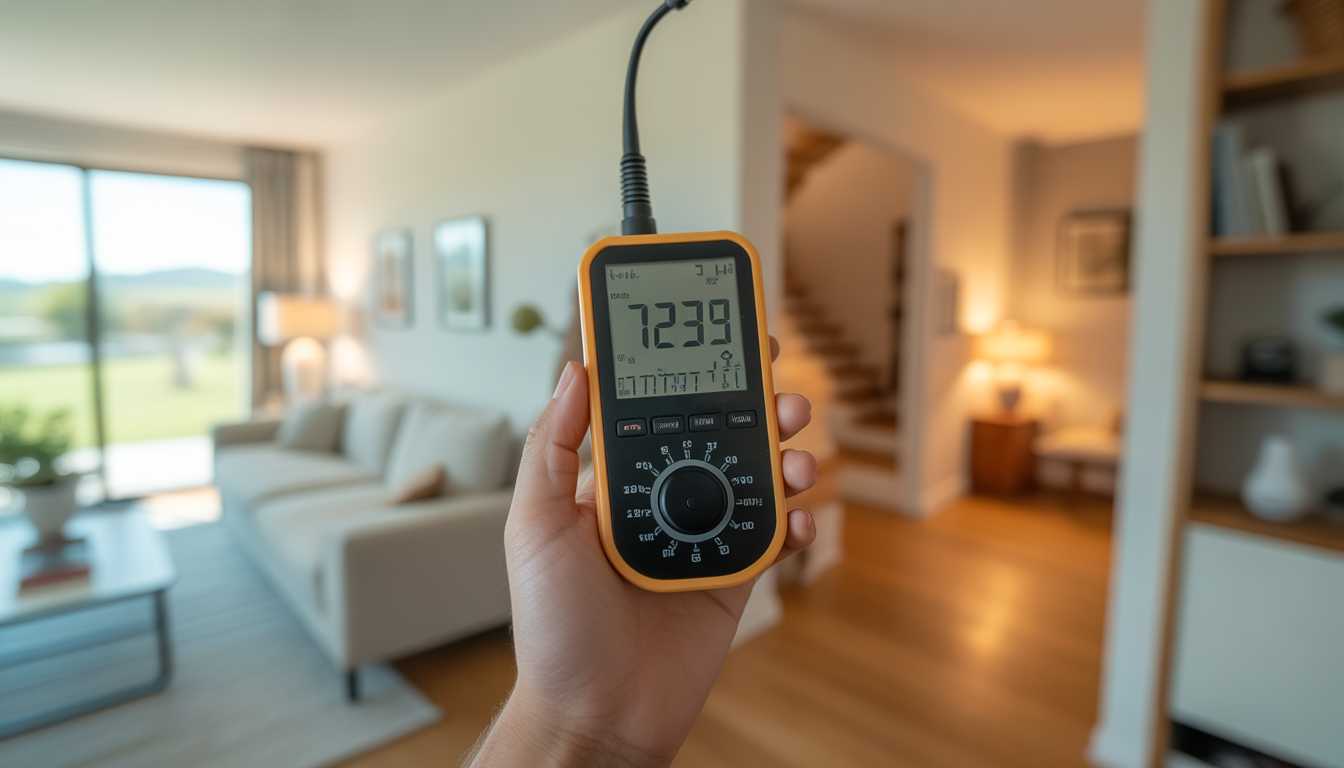
High humidity in a house shows up through visible moisture, musty smells, and a damp or uncomfortable indoor feel. Common signs include condensation on windows, mold growth, and air that feels heavy or sticky. These indicators usually mean humidity levels are consistently above the ideal range.
Visible Signs of Excess Moisture in Your Home
The easiest way to spot high humidity is through visible changes around your home. Moisture doesn’t stay hidden for long when levels are too high, and it often appears on surfaces first.
One of the most common signs is condensation. You may notice water droplets forming on windows, mirrors, or even walls, especially in the morning or after activities like cooking or showering. This happens when warm, moist air comes into contact with cooler surfaces.
Other visible signs include:
- Water stains or damp patches on walls and ceilings
- Peeling paint or bubbling wallpaper
- Mold or mildew forming in corners or around windows
These signs often appear in specific areas first, such as bathrooms, kitchens, or poorly ventilated rooms. However, if humidity levels remain high, the effects can spread throughout the house.
If you’re noticing these issues regularly, it’s a strong indication that your indoor humidity is too high and needs to be addressed before it leads to more serious damage.
Changes in Air Quality and Comfort
High humidity doesn’t just affect surfaces—it also changes how the air feels inside your home. Even without visible moisture, the air can feel noticeably different when humidity levels are elevated.
A common complaint is that the air feels heavy or sticky. This can make rooms feel warmer than they actually are, as high humidity reduces the body’s ability to cool itself naturally. You may also notice that rooms feel stuffy or poorly ventilated.
Other comfort-related signs include:
- A persistent musty or damp smell indoors
- Increased allergy or respiratory symptoms
- Clothing or fabrics feeling slightly damp
These changes can develop gradually, making them easy to overlook at first. However, they often become more noticeable over time, especially in enclosed or poorly ventilated spaces.
If you suspect humidity is affecting comfort, measuring it directly can confirm the issue. This guide on how to use a humidity meter in your home shows how to check levels accurately and identify problem areas.
Long-Term Effects of High Humidity
If high humidity is left unchecked, it can lead to more serious and costly problems. What starts as minor condensation or discomfort can eventually affect the structure and condition of your home.
Mold growth is one of the biggest risks. Once mold begins to develop, it can spread quickly in damp conditions and become difficult to remove. This not only damages surfaces but can also affect indoor air quality.
Over time, high humidity can also cause:
- Damage to wood, including warping or swelling
- Deterioration of insulation and building materials
- Persistent indoor air quality issues
These long-term effects are often the result of consistently high humidity rather than short-term fluctuations. That’s why it’s important to act early when you notice the initial signs.
By recognising these warning signals and addressing the cause, you can prevent more serious damage and maintain a healthier indoor environment.