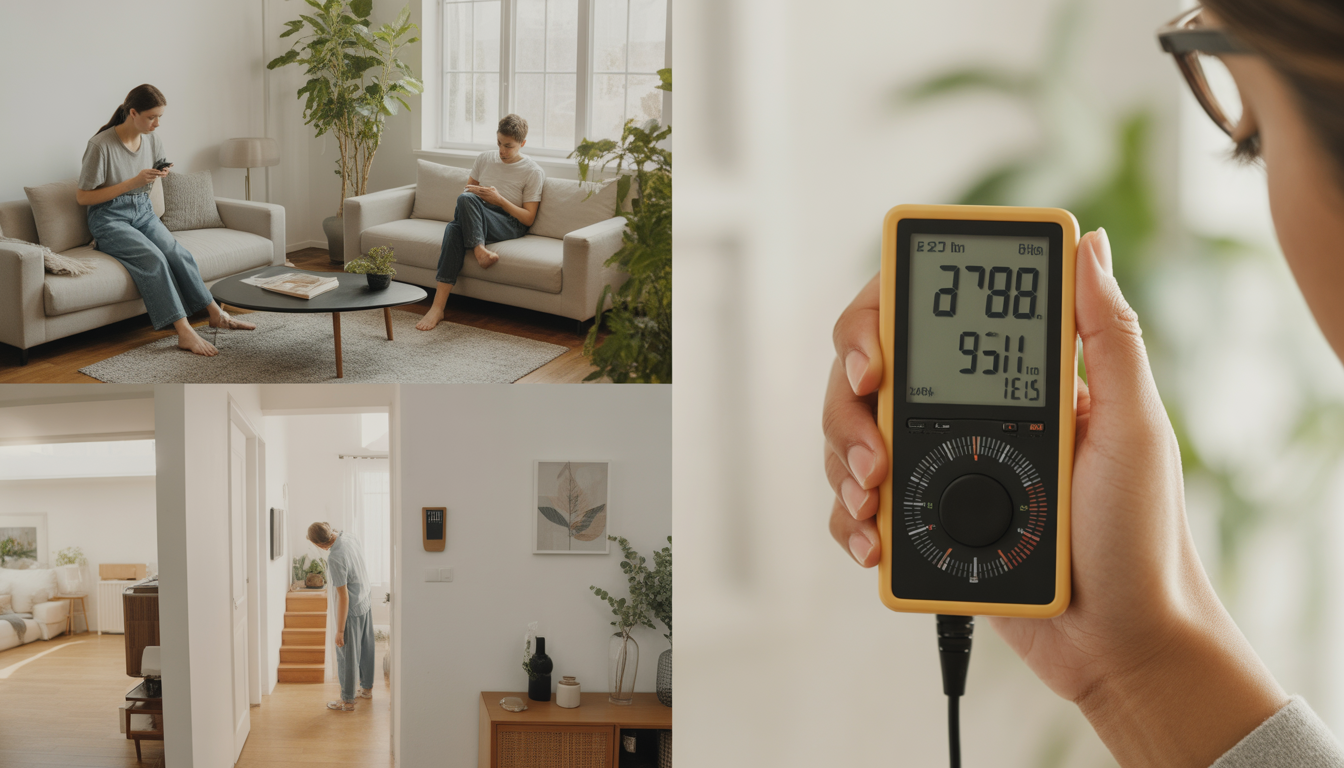
Low humidity in your home is usually caused by dry air, most commonly from heating systems, cold outdoor conditions, or a lack of moisture indoors. When humidity drops below 30%, it can lead to discomfort, health symptoms, and damage to materials in your home.
Common Causes of Low Humidity Indoors
Low humidity is especially common during colder months, but it can happen year-round depending on your environment and how your home is set up. The main issue is that there isn’t enough moisture being added to the air to balance out what is being removed.
One of the biggest contributors is indoor heating. Systems like central heating, space heaters, and fireplaces all reduce moisture levels as they warm the air. Cold outdoor air also plays a role, as it naturally holds less moisture and lowers indoor humidity when it enters your home.
Other common causes include:
- Frequent use of heating systems during winter
- Cold outdoor air entering through ventilation
- Air conditioning removing moisture from the air
- Lack of indoor moisture sources such as plants or water use
In many cases, low humidity is not caused by a single issue but by a combination of factors working together. For example, a well-insulated home with constant heating and limited ventilation can quickly become very dry.
If you’re unsure how dry your home actually is, measuring it properly is important. This guide on how to use a humidity meter in your home shows how to get accurate readings and identify areas where humidity is too low.
Signs Your Home Air Is Too Dry
Low humidity often shows up as physical discomfort or subtle changes in your home environment. These signs are easy to overlook at first but become more noticeable as dryness increases.
One of the most common symptoms is dry skin or irritation in the eyes and throat. You may also notice that the air feels harsh or uncomfortable, especially when you wake up in the morning.
Other signs include:
- Static electricity when touching objects
- Cracks in wooden furniture or flooring
- Dry or irritated nasal passages
- Increased dust in the air
These issues tend to be more noticeable in bedrooms and living areas where you spend the most time. In some cases, dryness can also affect sleep quality or make respiratory conditions feel worse.
Recognising these signs early allows you to correct the problem before it leads to more significant discomfort or long-term damage to materials in your home.
How to Increase Humidity to a Healthy Level
Raising humidity levels usually involves adding moisture back into the air and reducing the factors that are drying it out. The goal is to bring levels back into the 30% to 50% range for comfort and balance.
Start with simple adjustments that can make an immediate difference. Reducing excessive heating or improving airflow can help stabilise conditions without major changes.
To increase indoor humidity:
- Use a humidifier to add moisture directly to the air
- Place indoor plants to naturally increase humidity
- Allow moisture from cooking or showering to circulate briefly
- Use bowls of water near heat sources to add moisture slowly
It’s also helpful to monitor humidity regularly rather than making one-off adjustments. Dry air can fluctuate depending on the weather and how your home is used, so consistent checks help maintain the right balance.
By making small, targeted changes, you can create a more comfortable indoor environment and avoid the common problems associated with air that is too dry.